How to Choose a Pen Name for Fiction Authors
By Meg Anne Brighton · Published · 6 min read
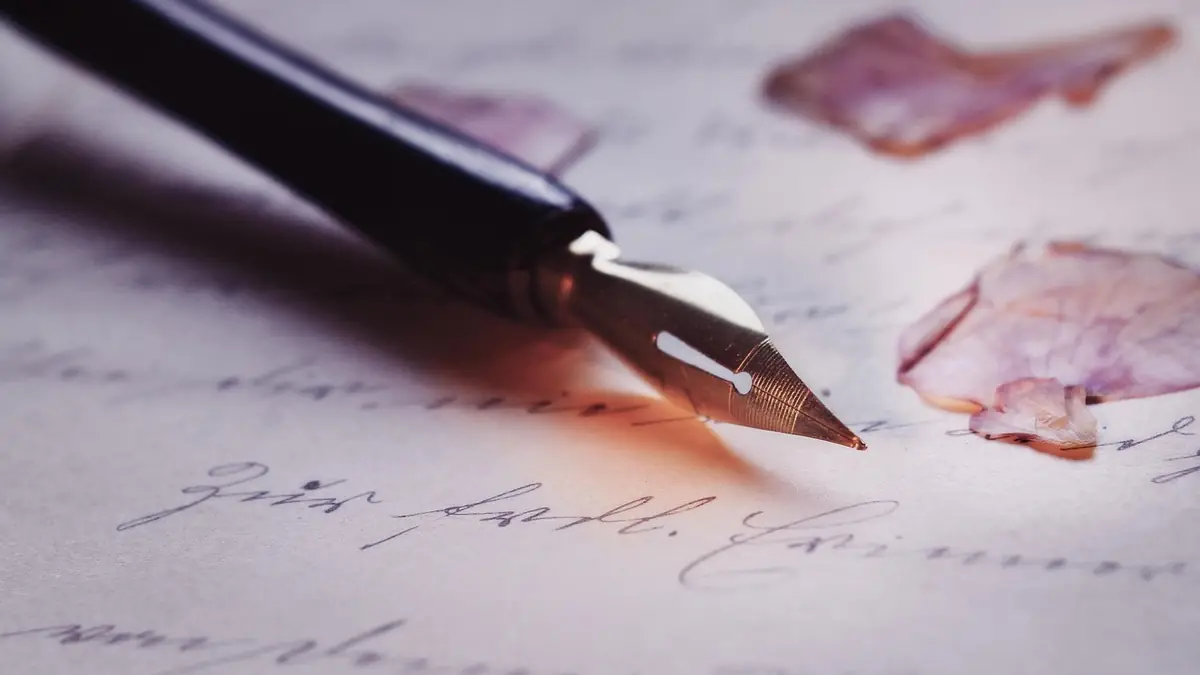
A pen name is a business decision dressed up as a creative one. You will type it on contracts, spell it out to podcast hosts, and watch readers try to pronounce it in reviews. Getting it right at the start saves years of awkward rebranding; getting it wrong is survivable, but expensive in time and reprints.
This guide walks through the factors that actually matter when choosing a fiction pen name: how it sits in your genre, how it looks on a cover thumbnail, whether people can find and spell it, and whether one identity is enough for the books you plan to write.
Start With Genre and Shelf Placement
Walk into the section where your book belongs and read forty spines. The names cluster: clipped surnames for thrillers, double-barrelled warmth for women's fiction, initials for literary and historical novels. This is not a rule, but it is a signal readers use unconsciously when deciding whether a book looks like their kind of book. A name that clashes with its shelf asks the reader to do extra work before they have read a single page.
Length and shape matter too. Two or three syllables with a hard consonant tends to stick in the ear, which is why so many commercial names sound like brands. Say your candidate out loud as if introducing yourself at a literary festival, then as if recommending it to a friend in a noisy bar. If you stumble, so will everyone else, and a name that needs repeating is a name that loses word-of-mouth sales.
Finally, check the initials and the full name for unfortunate acronyms or unintended phrases. Also check how the name will look with a middle initial, since many authors use one to separate themselves from a namesake or to shift the gender signal of a name.
- Read 40 spines in your genre's shelf to sense the naming norm
- Aim for two to three syllables with a clear stressed sound
- Test the name spoken aloud in a noisy room
- Check initials and full-name acronyms before committing
Searchability Is Not Optional
You need a name that a reader can find after hearing it once, on a podcast or in a bookshop conversation. That means checking search results before you fall in love with a name. If page one is dominated by a celebrity, a corporation, or an established author in your genre, you will spend years fighting for visibility on your own name, and every ad you buy will partly promote someone else.
Check the obvious places: retailer search, a general web search, and social handles on the platforms you actually intend to use. You do not need every handle, but you need the important ones and a domain you can own. A name with a natural spelling is worth more than a distinctive one, because readers search by ear. If people will type it wrong, someone else gets that traffic.
Run a quick trademark check in your country for your publishing category. Most authors never need to enforce anything, but discovering a conflict after you have printed five thousand covers is a bad week. A name that is clear, spellable, and ownable is the whole brief.
- Search the name plus your genre on major retailers
- Confirm a matching domain and key social handles are free
- Avoid homophones that split your search traffic
- Do a basic trademark search in your publishing category
The Practical Bits: Domain, Handles, and Cover Fit
Register the domain even if you will not build a site for a year. A .com if possible; a clear alternative if not. A simple author site with a mailing list signup is the one piece of online real estate you fully control, and the steps are not complicated — see How to Build an Author Website in a Weekend for a workable plan. Set up the email address at the same time so your correspondence looks consistent from the first query letter.
Cover fit is the test most authors skip. Type your name in a few display fonts, shrink it to thumbnail size on a phone screen, and look at it next to comparable covers in your genre. Long names get shrunk and become illegible; very short names can look thin. Names with unusual letter combinations can create awkward spacing in all-caps. This is also the moment to think about a cover budget, since a strong type treatment is often what makes a modest cover look professional.
Decide early whether you will use the name on social media, in a newsletter, and on a series bible. Consistency across those surfaces is what makes a pen name feel like a real author rather than a label.
| Genre | Typical Name Style | Search Risk | Notes |
|---|---|---|---|
| Thriller / Crime | Short surname, hard consonants, often initials | High — crowded field | Check for established authors with similar surnames |
| Romance | Warm, melodic, often two names or a middle initial | Medium | Subgenre signals matter; check heat-level conventions |
| Fantasy | Distinctive but pronounceable; invented surnames common | Medium | Test spelling aloud; readers search by ear |
| Literary / Historical | Full name or initials, formal register | Low to medium | Initials can signal seriousness but hurt recall |
| Cozy Mystery | Punny or warm names, often paired with a series hook | Medium | Series branding often matters more than the name |
| Children's / YA | Simple, friendly, easy for young readers to say | Low | Check school-visit suitability and pronunciation |
One Name or Several?
Multiple pen names make sense when your books serve genuinely different audiences: cozy mysteries and explicit romance, say, or children's books and grimdark fantasy. Readers who follow one will not necessarily follow the other, and a mismatched backlist can confuse the algorithm and the bookseller alike. Separate names let each list be marketed cleanly and let you write freely in both without explaining yourself.
The cost is administrative. Each identity needs its own branding, its own newsletter positioning, and its own mental overhead. Two names is usually manageable; four is a small business. A common compromise is one primary name plus a clearly labelled pen name for a side genre, with a note on your site so existing readers can follow you across.
If you do run several identities, keep a working series bible for each: characters, timelines, and the small facts readers notice when they are wrong. The process is the same whether you have one name or five — see How to Create a Series Bible for Your Novels for a structure that scales.
- Separate names for genuinely separate audiences
- One name is simpler and cheaper to run
- Two is usually manageable; four becomes a business
- Keep a bible per identity to protect continuity
Test Before You Commit
Before you print anything, run a cheap test. Tell ten people the name once and ask them to spell it the next day. Put it on a mock cover and show it to readers in your genre alongside three invented alternatives; ask which looks most like a book they would pick up. The answers are informal but revealing, and they cost nothing.
Check the name against the practical machinery of publishing. Run it through your retailer dashboard and your ISBN records, and confirm it fits the forms. If you plan to narrate audiobooks, say the name in a sample recording. If you plan to pitch at conferences, practise the one-line introduction. Small frictions compound over a career.
Then commit. A pen name can be changed, but every change costs you search history, review links, and reader recognition. Choosing carefully once is the cheaper path.
Legal and Money Details Worth Knowing
A pen name does not change your legal obligations. Contracts are signed by you, usually with a clause naming the pseudonym you publish under. Royalties are paid to you, and tax is your responsibility under your real identity. If you register a business or a trademark, do it in your own name or a company name, not the pen name alone, so the rights are cleanly held.
Copyright registration and ISBNs should reflect the publishing name you use, but keep your own records linking the two. Some authors form a small company to hold publishing assets; many do not need to. If you are budgeting, remember that editing, covers, and formatting are the real costs, and a pen name adds only modest extras — a domain, perhaps a second logo. For realistic figures, Book Editing Costs: A Guide for Indie Authors and How Much Does a Professional Book Cover Cost? both set out typical ranges.
One last practical point: your blurb and your name work together. The name sets an expectation and the blurb confirms it, so test them as a pair rather than separately.
- Sign contracts in your legal name, with a pseudonym clause
- Keep a private record linking pen name to ISBNs and accounts
- Register trademarks and companies under your real or company name
- Budget for editing and covers first; the name itself is cheap
- Read the shelf before you name yourself; genre norms are real signals
- A name readers can spell and find is worth more than a distinctive one
- Own the domain and key handles before you announce anything
- Separate pen names are for separate audiences, not separate moods
Meg Anne Brighton is a novelist and the voice behind this site. She writes mystery and suspense stories set in small towns and shares practical writing advice drawn from her own experience. She is passionate about helping new authors navigate the publishing journey.