Susan's Mirror Image: Book Synopsis and Insights
By Meg Anne Brighton · Published · 3 min read
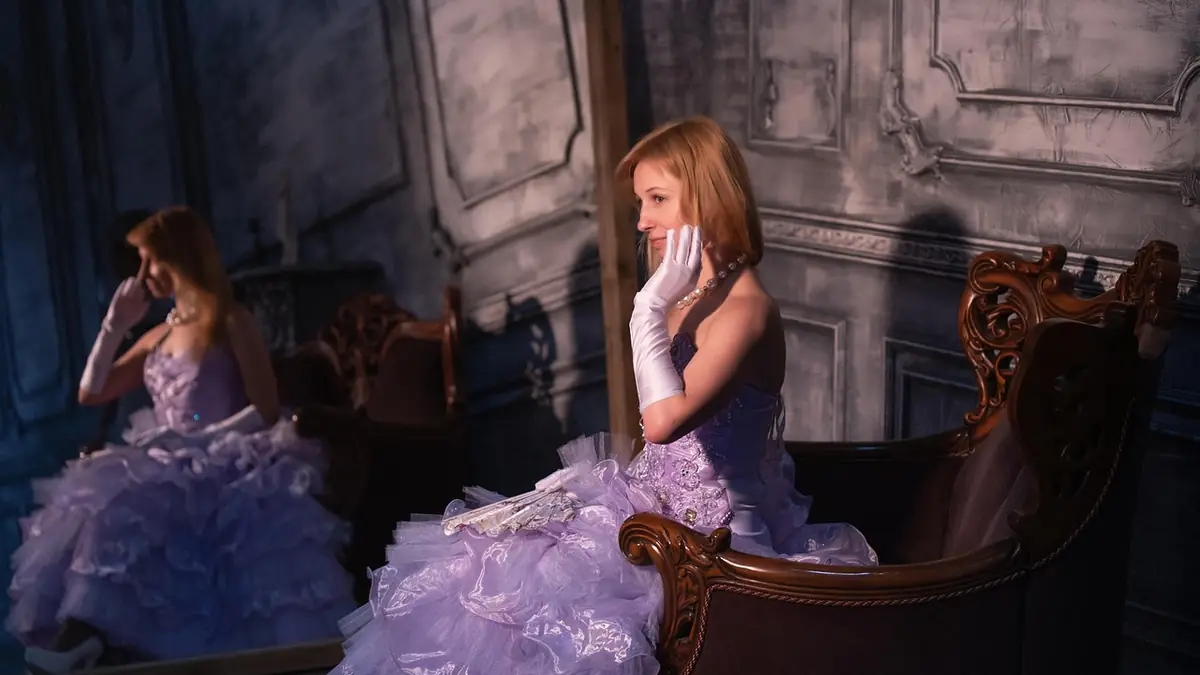
Susan's Mirror Image is a novel that explores the fractured relationship between identical twins Susan and Sarah, whose lives diverge after a traumatic event in their teens. When Sarah disappears, Susan must confront the secrets they both kept and the mirror image that has haunted her for years.
In this article, you'll find a detailed synopsis, an analysis of key themes, and practical insights into how the book was researched and written. Whether you're a reader curious about the story or a writer interested in crafting dual narratives, this guide offers valuable information.
Synopsis: What Happens in Susan's Mirror Image
The novel opens with Susan receiving a cryptic message from her estranged twin sister, Sarah, after five years of silence. Sarah's plea for help draws Susan back to their hometown of Millbrook, a small New England town where everyone knows the twins' troubled history. As Susan digs into Sarah's recent life, she uncovers a web of lies that challenges everything she thought she knew about their past.
Told in alternating chapters from Susan's present-day perspective and Sarah's diary entries from the year leading up to her disappearance, the narrative slowly reveals the truth behind their falling out. The climax forces Susan to choose between protecting her sister's secrets and exposing the person who tore their family apart.
The story is a psychological thriller with a strong emotional core, examining identity, guilt, and the unbreakable bond of sisterhood. It's a standalone novel but shares thematic echoes with Brighton's other works about family secrets and small-town life.
- Genre: Psychological thriller with domestic suspense elements
- Setting: Fictional town of Millbrook, New England
- Point of view: First-person, alternating between Susan and Sarah's diary
- Tense: Present tense for Susan's chapters, past tense for Sarah's
Main Characters and Their Relationships
Susan is the responsible twin, a successful architect in Boston who has spent years distancing herself from her past. Her controlled exterior hides deep guilt over an accident that left Sarah scarred—both physically and emotionally. Sarah, by contrast, is the free spirit who stayed in Millbrook and struggled with addiction and unstable relationships. Their dynamic is the engine of the novel.
Supporting characters include their mother, Diane, who has always favored Sarah, and Detective Ray Torres, who investigated Sarah's disappearance and becomes Susan's reluctant ally. Each character holds a piece of the puzzle, and their conflicting loyalties add layers of tension.
- Susan: Methodical, guarded, haunted by the past
- Sarah: Impulsive, artistic, desperate for connection
- Diane: Matriarch with secrets of her own
- Ray Torres: Skeptical detective who sees through Susan's facade
Themes and Symbolism
The mirror motif runs throughout the novel, symbolizing the twins' struggle for individual identity while being constantly compared to each other. Susan sees Sarah as her distorted reflection—the life she might have had if she'd made different choices. This theme is explored through literal mirrors in key scenes, as well as through doppelgänger imagery.
Another major theme is the nature of memory and truth. Sarah's diary entries, written in a nonlinear fashion, force Susan (and the reader) to question what really happened. The novel suggests that we all edit our memories to survive, and that facing the unedited version is the only path to healing.
Research and Setting: Creating Millbrook
To authentically depict Millbrook, Brighton drew on her own experiences growing up in a small town, but she also conducted interviews with residents of similar communities in Vermont and New Hampshire. She focused on details like the layout of a town square, the rhythm of local gossip, and the way secrets are both hidden and known in tight-knit places.
Brighton's approach to research is detailed in her article How to Research a Small-Town Setting for Fiction, where she explains how to capture the atmosphere without resorting to stereotypes. She also kept a series bible for the novel's complex timeline, a method she describes in How to Create a Series Bible for Your Novels.
| Element | Details | Impact on Story |
|---|---|---|
| Narrative Structure | Alternating first-person present (Susan) and diary entries (Sarah) | Creates suspense and gradual revelation |
| Setting | Fictional Millbrook, New England | Reinforces themes of isolation and secrets |
| Central Conflict | Susan's search for missing twin Sarah | Drives plot and character development |
| Themes | Identity, memory, guilt, sisterhood | Adds emotional depth and resonance |
| Pacing | Slow-burn with escalating tension | Keeps readers engaged and guessing |
| Ending | Open-ended and ambiguous | Invites reader interpretation and discussion |
Writing Dual Narratives: Challenges and Solutions
Writing from two perspectives—Susan's first-person present and Sarah's diary entries—required careful planning. Brighton used a color-coded timeline to ensure that revelations in one narrative aligned with the other. She also wrote Sarah's diary entries first, then wove them into Susan's story to maintain suspense.
One challenge was making Sarah's voice distinct yet believable as a diary. Brighton read published diaries and listened to interviews with people in recovery to capture the raw, unfiltered tone. For Susan, she focused on sensory details to ground the present-tense narration.
The novel's dialogue, especially between the twins, was crafted to sound natural while revealing character. Brighton shares her techniques in How to Write Realistic Dialogue for Mysteries.
Publishing Journey and Reader Reception
Susan's Mirror Image was Brighton's second novel, and it took her about two years to write and revise, a timeline she discusses in How Long Does It Take to Write a Novel?. The book was initially rejected by over twenty agents before finding a home with a small independent press known for psychological thrillers.
Since its release, the novel has resonated with readers who appreciate complex family dynamics and unreliable narrators. It has been praised for its tight plotting and emotional depth, though some critics found the ending too ambiguous. Brighton maintains that the ambiguity is intentional, reflecting the novel's theme that closure is rarely neat.
- Susan's Mirror Image is a psychological thriller about twin sisters and the secrets that divide them.
- The novel uses dual narratives and a small-town setting to explore themes of identity and memory.
- Brighton's research and writing process involved careful planning and authentic detail.
- Reader reception highlights strong character development but mixed feelings about the ambiguous ending.
Meg Anne Brighton is a novelist and the voice behind this site. She writes mystery and suspense stories set in small towns and shares practical writing advice drawn from her own experience. She is passionate about helping new authors navigate the publishing journey.